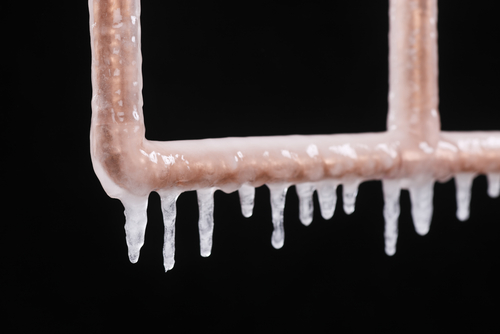
Quick Answer Forney TX homes are most vulnerable to frozen pipes in attics, garages, and exterior walls during sudden North Texas cold snaps. Insulate exposed pipes before winter, disconnect garden hoses, and let faucets drip when temperatures drop below 20 degrees. If a pipe freezes, never use an open flame to thaw it. Call a licensed plumber to prevent a burst and water damage.
Most Forney, TX homeowners do not worry about frozen pipes because North Texas winters are relatively mild most of the year. That is exactly why freeze damage hits so hard when it does happen. When temperatures drop suddenly into the teens or single digits, homes that were never built for sustained cold take the worst beating.
Forney sits in Kaufman County where most homes are built on concrete slab foundations with water supply lines running through attics, exterior walls, and attached garages. According to the American Red Cross, pipes in unheated interior spaces like attics and garages are the first to freeze during a cold event because they lack the ambient warmth that protects pipes in climate-controlled living areas.
Why Forney Homes Freeze Faster Than You Expect
North Texas construction is designed for heat, not cold. Homes in Forney typically have minimal insulation in attics compared to homes in northern states, and water supply lines often run through these under-insulated spaces to reach bathrooms and kitchen fixtures on the far side of the house. When a hard freeze hits, those lines lose heat rapidly.
The clay soil adds another layer of risk. Underground supply lines in Kaufman County sit in clay that contracts during dry winter cold, pulling away from the pipe and removing the insulating soil contact that normally protects against shallow freezing. Homes with water line issues already weakened by clay soil movement are especially vulnerable because a freeze puts additional stress on joints and fittings that are already compromised.
Outdoor hose bibs and irrigation supply lines are the most exposed components. If a garden hose is still connected when a freeze arrives, water trapped in the hose backs up into the supply pipe and expands as it freezes. That expansion can crack the pipe inside the wall where you will not see the damage until the thaw.
What Happens When a Pipe Bursts
A frozen pipe does not always burst while it is frozen. The real damage often happens during the thaw. Ice creates a pressure buildup between the frozen section and the closed faucet. When the ice melts, that pressure releases and the weakened section of pipe gives way. A single burst pipe can release hundreds of gallons of water into your attic, walls, or garage before you realize what happened.
The resulting water damage saturates insulation, drywall, and flooring. In a slab foundation home, water that reaches the slab edge or plumbing penetrations can saturate the clay soil underneath and trigger the same foundation movement problems that cause stubborn drain clogs throughout Kaufman County.
How to Protect Your Forney Home
Before the first freeze of the season, insulate all exposed water supply lines in your attic, garage, and crawl spaces with foam pipe insulation. Disconnect and drain all garden hoses. Locate your main water shutoff valve so you can cut supply quickly if a pipe does burst.
During a freeze event, open cabinet doors under sinks on exterior walls to let warm air circulate around the pipes. Let both hot and cold faucets drip at a slow, steady stream. Moving water resists freezing better than standing water. Keep your thermostat at the same temperature day and night. Dropping the heat at night to save energy during a freeze is one of the most common causes of overnight pipe bursts.
If you turn on a faucet and nothing comes out, or only a trickle flows, a pipe is likely frozen. Do not attempt to thaw it with a torch, heat gun, or space heater pointed at the wall. Uneven heating can cause the pipe to burst at the weakest point. Call for professional frozen pipe service to locate the frozen section and thaw it safely.
After the Freeze
Once temperatures rise, check every faucet in the house for normal flow and pressure. Inspect your attic, garage, and under-sink areas for signs of water damage, dampness, or dripping. Check your water heater for any signs of freeze damage to the supply connections or pressure relief valve. If anything looks off, contact Full Force Plumbing before a small problem turns into a major repair. We are a Forney plumber who handles freeze damage calls across Kaufman County every winter.