Quick Answer Sunnyvale TX homes sit on one-acre or larger lots, which means the sewer line connecting your house to the city main is significantly longer than a typical suburban sewer run. That extra length means more pipe exposed to Dallas County clay soil movement, more joints vulnerable to root intrusion, and more footage that can develop bellies and cracks. If you are experiencing backups or sewer odors, a camera inspection should be your first step.
Sunnyvale, TX properties are among the largest residential lots in the eastern DFW Metroplex, and that acreage creates a sewer line situation that most plumbing companies do not think about when they show up for a service call. Your sewer main may run 100 feet or more from the house to the city connection, compared to 30 to 50 feet in a typical suburban neighborhood. Every additional foot of pipe is another foot of exposure to Dallas County’s heavy expansive clay.
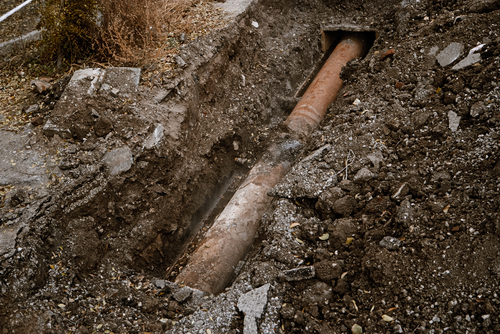
That clay behaves the same way across the region. It swells when it absorbs moisture and contracts when it dries out, and that shrink-swell cycle can stress buried sewer pipe over time. On a Sunnyvale lot, the problem is multiplied by sheer length. A 100-foot sewer line has roughly twice as many joints, twice as many potential stress points, and twice as much pipe absorbing lateral pressure from shifting clay.
Three Problems That Hit Sunnyvale Sewer Lines
Root intrusion is the primary threat on large wooded lots. Sunnyvale properties typically have mature trees, extensive landscaping, and established root systems that extend well beyond the visible canopy. Those roots seek moisture, and a sewer pipe full of wastewater is the most attractive moisture source on the property. Once roots find a loose joint or hairline crack, they grow inside the pipe and eventually block the flow entirely.
Bellying is the second concern. Over years of clay soil settling beneath a long sewer run, sections of pipe sag into low spots where waste pools instead of flowing toward the city main. A 30-foot suburban sewer line might develop one belly in 20 years. A 100-foot Sunnyvale line has multiple opportunities for soil settlement along its length.
Joint separation is the third. Longer pipe runs mean more connection points between pipe sections, and each connection is a potential failure point under clay soil pressure. When joints pull apart, soil infiltrates from the outside and waste leaks out, creating the sewage odors that some Sunnyvale homeowners notice in their yards after rainstorms.
How to Know If Your Sewer Line Is Failing
Multiple drains backing up at the same time is the clearest sign of a main line problem. If flushing a toilet causes gurgling in a shower drain on the other side of the house, waste is not flowing freely to the city main. Sewage odors in the yard, especially after rain when saturated clay pushes groundwater against a cracked pipe, indicate an active leak.
If you have had professional drain cleaning done and the problem returns within a few months, the pipe itself is damaged and no amount of cleaning will fix it long term.
A sewer camera inspection is the essential first step. On a Sunnyvale property with an extended sewer run, the camera survey may take longer than a typical inspection because there is more pipe to evaluate. But it provides the exact location and nature of every problem along the line, which is critical for planning an efficient repair.
Repair Options for Long Sewer Runs
Targeted spot repair works when the camera shows one or two isolated problems along an otherwise sound line. Trenchless relining is often the best option for Sunnyvale properties because it rehabilitates the pipe from the inside without trenching across a large, landscaped lot. A full sewer line replacement may be necessary if the camera reveals widespread damage across multiple sections.
On a one-acre property with extensive landscaping, irrigation systems, and possibly a pool or outdoor kitchen, minimizing excavation is a priority. Trenchless methods preserve your yard and reduce the amount of clay soil disturbance, which matters because disturbed clay swells and settles unpredictably for months after being dug up.
Between repairs, annual drain cleaning keeps the line flowing and reduces the chance of buildup compounding a developing structural issue.
If your Sunnyvale home is showing signs of sewer line trouble, contact Full Force Plumbing to schedule a camera inspection. We are a plumber serving Sunnyvale and eastern Dallas County with experience handling the longer sewer runs and unique conditions on large lot properties.