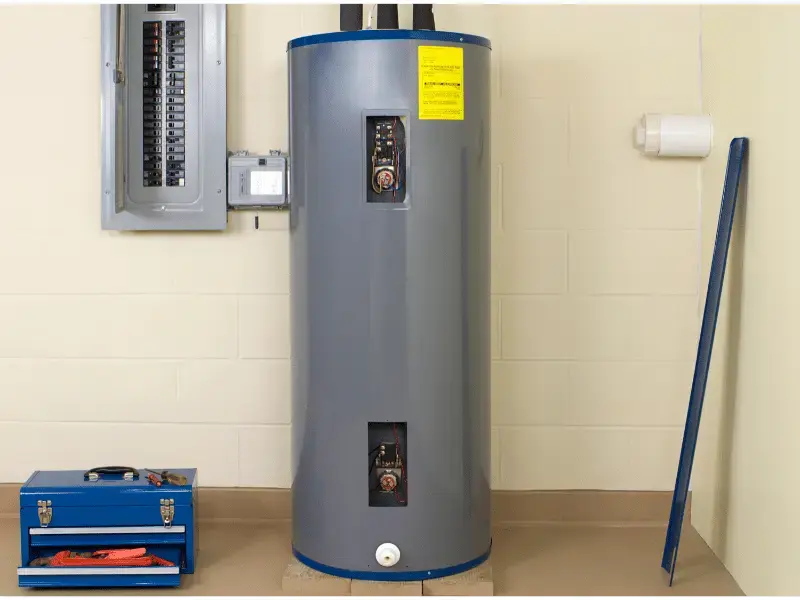
Quick Answer: Water heaters making popping noises often comes down to sediment buildup trapping water pockets at the bottom of the water heater tank, where heat turns trapped water into steam bubbles that burst and pop. This usually worsens with hard water (minerals like calcium and magnesium) and poor heat transfer, which forces longer heating cycles and higher utility bills. It’s not usually an emergency today, but it is a warning sign of inefficiency and stress that can shorten a water heater lifespan. Start by identifying the sound type (popping vs rumbling vs sizzling), then address sediment, temperature, and safety valves.
If the noise is getting louder or you notice leaks, rusty water, or pressure issues, take action fast.
What Popping Usually Means (Simple Explanation)
In most homes, water heaters making popping noises are explained by one thing: sediment forms a layer at the bottom of the tank, and hot water trapped underneath tries to escape. As trapped water turns to steam, steam bubbles push up through the sediment layer and burst making the popcorn-like pop.
A common starting point for prevention is to flush the water heater every year so the sediment doesn’t get the chance to harden into a thick, heat-blocking layer.
Why the Noise Happens More Often Over Time
If you’re wondering why my water heater makes popping noises more frequently than before, it’s usually because sediment has progressed from loose to stuck.
Here’s what changes as the problem grows:
- Mineral deposits keep stacking up with each heating cycle.
- Sediment hardens into scale buildup (often calcium carbonate).
- Heat concentrates into hot spots, raising the chance of overheating.
- The tank has to run longer, reducing energy efficiency and hot-water performance.
And once sediment is thick enough, you may also start to notice hot water tank noises that sound like rumbling or thundering not just popping.
Match the Sound to the Most Likely Cause
Sound you Hear | Most Likely Cause | What’s Happening Inside | Fast Next Step |
Popping/crackling | Sediment buildup | Trapped water pockets release steam bubbles | Plan a drain-and-flush |
Rumbling/thundering | Heavy scale buildup | Larger steam pockets explode through hardened sediment | Flush + check temperature |
Sizzling/hissing | Moisture on hot surfaces | Water hitting a hot component or venting issue | Inspect for leaks safely |
Banging/knocking | Expansion or plumbing shock | Metal expands/contracts; or pressure/flow issues | Check temperature + plumbing shock |
If you’re hearing a popping sound from the water heater and it’s increasing week by week, treat it as a maintenance priority not a wait and see issue.
What Causes Sediment in the First Place?
Sediment is made from minerals and particles that naturally ride in your water supply, especially with hard water. The usual mix includes:
- Calcium and magnesium (classic hard water minerals)
- Sand and dirt (more common after hydrant flushing or supply work)
- Rust particles (from older pipes or early tank wear)
Over time, these settle to the bottom of the water heater tank and block heat movement from the gas burner (gas models) or heating element (electric models).
If your goal is to clean sediment buildup in water heater systems effectively, the real key is doing it before the layer turns rock-hard.
Is It Dangerous to Keep Using a Popping Water Heater?
A popping water heater is usually not immediately dangerous but it can become risky if it leads to overheating and pressure problems.
Short-term effects (common):
- Longer heat-up times and reduced hot water recovery time
- Higher utility bills
- More stress on the thermostat and heating parts
Long-term risks (serious):
- Tank lining damage (tank lining deterioration)
- Weakening of the steel tank
- Leaks, corrosion, and shortened water heater lifespan
- Pressure risk if the temperature and pressure (T&P) valve can’t relieve stress
If you see water around the base, smell metallic odor, or hear escalating noise patterns, don’t ignore it.
Why Electric and Gas Water Heaters Sound Different
Both types can pop, but the how changes.
Electric Water Heater
- The heating element can get coated with mineral scale buildup
- Heat becomes uneven, and trapped water creates pops
- In severe cases, scaling can lead to element burnout
Gas Water Heater
- A gas burner heats the bottom of the tank directly
- Sediment insulates the bottom, reducing heat transfer
- That insulation can create hot spots and contribute to overheating
So if you’re searching for a gas water heater making popping noise, the fix is often the same core concept: remove sediment but the inspection points differ.
How to Fix Popping Noise in Water Heater
If the water heater makes popping noises, the fix is usually a structured set of safe steps.
Quick Fixes You can Try First (Low-Risk)
- Lower temperature to reduce overheating risk
Keep your thermostat around 120°F for most homes (hot enough for comfort, safer for scalding, and slows scale formation). - Confirm basic water flow and pressure stability
Pressure swings can amplify noise and stress internal valves.
Tip: If the popping is mild and only happens after long idle periods, the sediment layer may be early-stage acting now is cheaper.
Step-by-Step: Drain and Flush the Tank Safely
Do this only if you’re comfortable and can do it safely. Hot water can burn.
- Turn off power/gas
- Close the cold water shut-off valve feeding the tank
- Attach a garden hose to the drain valve at the bottom
- Run the hose to a safe drain location
- Open a hot faucet in the house to prevent vacuum lock
- Carefully lift/open the pressure relief valve (also called the T&P valve) briefly to vent
- Open the drain valve and let water run until it clears
- Pulse the cold water supply on/off to stir and flush sediment
- Close valves, remove hose, refill fully, then restore power/gas
- Let the tank reheat and listen for improvement
This is the single most effective way to stop a hot water heater from making popping noises caused by sediment.
The Hidden Efficiency Problem (And Why Bills Rise)
When sediment forms a blanket at the bottom, the heater must push more heat through that layer. That reduces heat transfer, which means:
- Longer run time
- Higher energy use
- Lower energy efficiency
- Slower recovery time for hot showers
This is one big reason why the water heater is making popping noises tends to correlate with my hot water doesn’t last as long as it used to. In fact, many homeowners who experience running out of hot water too fast later discover that sediment buildup was quietly reducing their tank’s usable capacity long before the noise became noticeable.
Signs Sediment Is Getting Severe
- Popping becomes rumbling or thundering
- Water temperature swings (hot/cold surprises)
- Cloudy or gritty hot water
- Metallic smell or discoloration
- Hot water runs out faster than normal
- Noise increases during heavy use (laundry + showers)
If you also notice hot water heater banging noise, it may be a mix of sediment plus expansion or pressure changes.
What If Flushing Doesn’t Stop the Popping?
If water heater making popping noises persists after a proper flush, look at these common next layer causes:
1) Scaling on the Heating Element (Electric Models)
Mineral scaling can coat the heating element and trap water inside hardened deposits.
2) Overheating from Temperature Settings
If the thermostat is set too high, trapped water flashes to steam more aggressively.
3) Aging + Corrosion
Corrosion can create uneven heating zones and contribute to noise. Watch for rust particles, rusty water, or dampness near the base.
4) Expanding Metal Parts
Metal expansion and contraction during heating cycles can create ticking/knocking especially in older units.
Fix Priority Guide (What to Do First)
Symptom | Likely Root Cause | Priority | Best Action |
Light popping, no leaks | Early sediment | Medium | Flush + set 120°F |
Loud rumbling | Heavy scale buildup | High | Flush thoroughly; consider softening |
Sizzling sound + damp area | Leak or moisture contact | Urgent | Inspect safely; shut down if leaking |
Rusty water + age 10+ yrs | Corrosion/tank wear | High | Inspect anode + consider replacement |
Repeated noise after flush | Element scaling/overheat | High | Inspect heating components |
If you notice a water heater sizzling sound, don’t assume it’s only sediment sizzling can also happen when water hits a hot surface due to a leak.
Prevention That Actually Works (Not Just Do Maintenance)
A lot of guides stop at flush it. Here’s the fuller prevention picture that keeps popping from coming back.
Install Water Conditioning where it Matters
A water softener reduces incoming calcium and magnesium, slowing mineral scale.
Add Filtration for Particles
A sediment filter at the main line helps catch sand, grit, and rust before it enters the tank.
Keep an Eye on the Anode Rod
The anode rod sacrifices itself to protect the tank. If it’s depleted, corrosion accelerates.
Keep Temperature Reasonable
120°F reduces scale acceleration and helps protect components, while improving safety.
When It’s Time to Replace Instead of Repair
Sometimes a water heater making popping noises is really your heater saying: I’m near the end.
Replacement is more likely if:
- The unit is 10-15 years old (or older)
- You have repeated repairs and recurring sediment issues
- There’s visible leaking at the base
- Hot water is inconsistent even after maintenance
- Rust/discoloration persists
If you’re not sure which side you’re on, an affordable water heater technician can inspect the tank condition, valves, and heating performance without guesswork.
Other Noises You Shouldn’t Ignore
Popping is one sound. Others signal different issues.
Banging/Hammering
Sometimes a hot water heater banging noise is caused by rapid valve closures or pressure shocks in the line (not always the tank).
Whistling or Screaming
Can point to restriction, pressure issues, or a valve problem especially if the temperature and pressure (T&P) valve is stressed.
Constant Rumbling
Often means a thick hardened scale. If your hot water tank makes popping noise plus rumbling, sediment is likely severe.
A Practical Maintenance Rhythm
Use this schedule to reduce noise, extend water heater lifespan, and stabilize performance:
- Every 3–6 months: test the pressure relief valve briefly (if safe/accessible)
- Every 6–12 months: drain a few gallons to check for sediment and clarity
- Once a year: full flush and inspection
- Every 3–5 years: check/replace anode rod based on water conditions
- Anytime: investigate leaks immediately
If you want a simple starting point, ask your local plumbing company for a maintenance checklist that matches your water quality and heater type.
Use this schedule to reduce noise, extend water heater lifespan, and stabilize performance:
- Every 3-6 months: test the pressure relief valve briefly (if safe/accessible)
- Every 6-12 months: drain a few gallons to check for sediment and clarity
- Once a year: full flush and inspection
- Every 3-5 years: check/replace anode rod based on water conditions
- Anytime: investigate leaks immediately
If you want a simple starting point, ask your local plumbing company for a maintenance checklist that matches your water quality and heater type.
Safety Checks Before You DIY
- Confirm power is OFF at the circuit breaker (electric)
- Confirm gas is OFF/Pilot (gas)
- Let water cool before draining
- Never stand over a valve release point
- Don’t force stuck valves (risk of damage/leaks)
- Stop if you see active leaking or corrosion at the base
Call Full Force Plumbing If the Noise Won’t Quit
If the popping keeps coming back, the tank is aging, or you’re seeing rust, leaks, or temperature swings, it’s time for a real diagnosis not guesswork. Full Force Plumbing can inspect your heater, pinpoint the cause, and help you restore quiet, efficient hot water.
Call Full Force Plumbing: 4692133632
Add Your Heading TexFAQs About Water Heater Making Popping Noisest Here
Why is my water heater making popping noises more in winter?
Cold incoming water can increase heating demand and amplify steam bubble activity under sediment, making the popping more noticeable.
Is popping always sediment buildup?
Most of the time, yes but overheating, scaling, and metal expansion can also contribute, especially in older units.
How often should I flush a tank to prevent popping?
Most homes do well with annual flushing, but very hard water areas may need it every 6 months.
Can popping damage the tank?
Over time, yes. Sediment can create hot spots that degrade the lining, accelerate corrosion, and shorten tank life.
Should I stop using hot water if I hear popping?
You can usually keep using it short-term, but schedule corrective action soon especially if noise is increasing or performance is dropping.
What’s the fastest sign I need professional help?
Leaks, rusty water, worsening noise, or inconsistent temperatures after a flush are strong indicators.